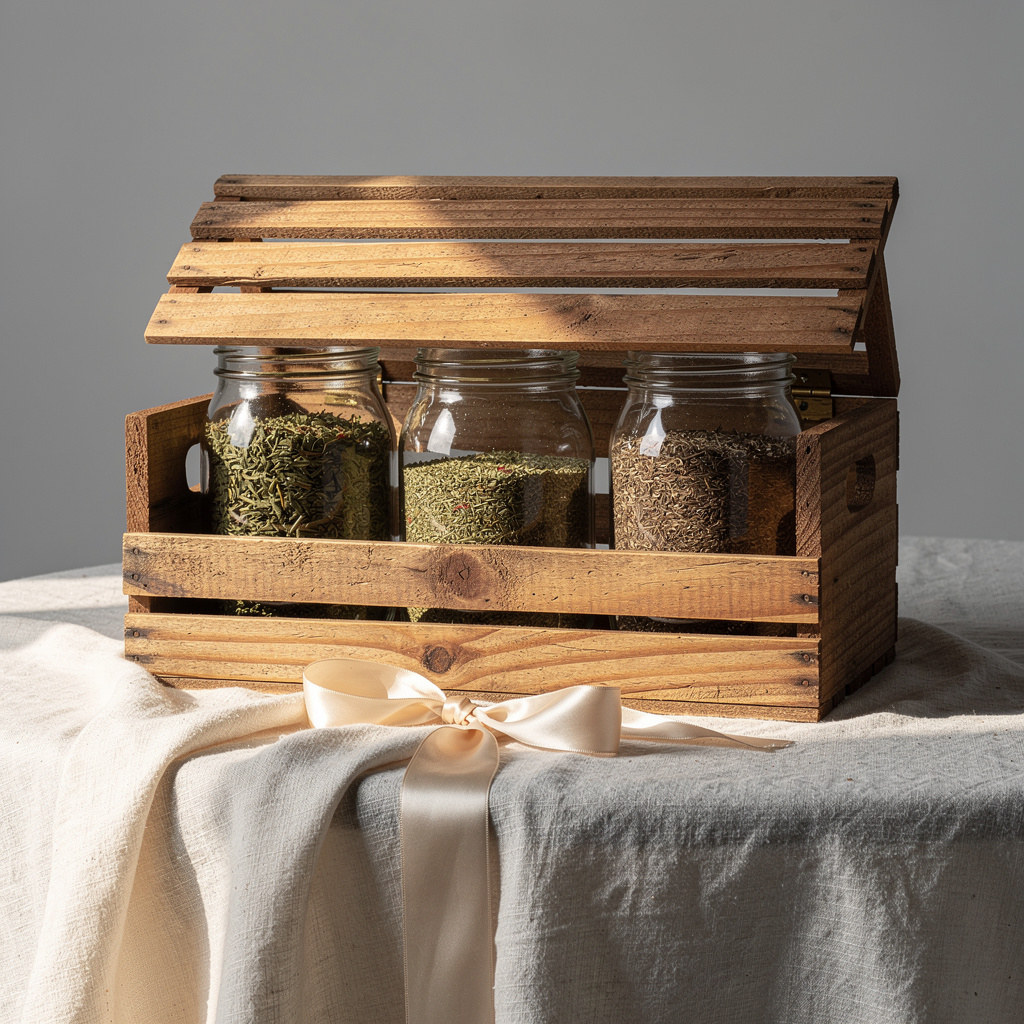
Knowing when and how to harvest herbs is just as important as growing them. Proper timing preserves essential oils, while correct storage extends shelf life. Below is a concise reference for the 20 herbs featured on Herb Guide.
General Harvest Guidelines
- Timing: Harvest in the morning after dew dries but before the sun intensifies, when oil concentrations peak.
- Tools: Use sharp scissors or garden shears to make clean cuts, reducing plant stress.
- Leaves vs. Stems: For most herbs, leaf harvest is preferred; for woody herbs (rosemary, thyme), stem harvest works well.
Specific Herb Instructions
| Herb | Best Harvest Time | Drying Method | Storage Tips |
|---|---|---|---|
| Basil | Just before flowering | Air‑dry in a single layer, out of direct sunlight | Store in airtight glass jars, away from heat |
| Mint | Early summer, before seed set | Bundle and hang upside down in a dark, ventilated area | Keep in a sealed container with a desiccant packet |
| Rosemary | Mid‑summer, when needles are deep green | Hang in bunches, dry 1‑2 weeks | Crush lightly before storage to release aroma |
| Thyme | After the first flush of flowers | Air‑dry on a mesh screen | Store in a dark pantry, use within 12 months |
| Lavender | Full bloom, before seed pods form | Hang in bundles, keep away from moisture | Store in breathable bags to avoid mold |
| Oregano | When plant is flowering | Dry on a screen in low light | Seal in vacuum‑packed bags for long‑term use |
| Sage | Late summer, before seed heads appear | Hang upside down in a warm, dry room | Keep in a cool, dark cupboard |
| Parsley | When leaves are fully expanded, before bolting | Rinse, pat dry, spread on a tray | Freeze chopped for up to 6 months |
| Cilantro | Just before it bolts | Air‑dry quickly; cilantro loses flavor fast | Freeze in ice‑cube trays with water |
| Chamomile | Full bloom, white petals fully open | Dry in a single layer on parchment | Store in airtight tins, away from light |
| Dill | When flower heads are small and fluffy | Hang in bundles, dry 1 week | Keep in a sealed jar, use within 9 months |
| Fennel | Before seed heads turn brown | Dry fronds on a screen | Store whole or crushed in a cool pantry |
| Lemon Balm | Mid‑summer, before flowering | Air‑dry in shade | Store in a glass jar with a tight lid |
| Marjoram | Just after first flowering | Hang in small bundles | Keep in a dark drawer, away from moisture |
| Bay Leaf | Late summer, when leaves are deep green | Air‑dry whole branches | Store whole leaves in a sealed container |
| St. John’s Wort | When flowers are fully open | Dry on a screen in a well‑ventilated room | Store in amber glass bottles |
| Yarrow | When flower heads are flat and dry | Hang upside down | Keep in a cool, dry pantry |
| Catnip | Before seed set | Bundle and hang in shade | Freeze in zip‑lock bags for best potency |
| Wintergreen | Late summer, before berries mature | Air‑dry leaves on a mesh | Store in a dark glass jar |
| Holy Basil (Tulsi) | Early morning, before flowering | Dry in a ventilated area, avoid direct sun | Keep in airtight containers, use within 12 months |
Tips for Maintaining Potency
- Avoid heat: High temperatures degrade essential oils.
- Limit light exposure: Store in opaque containers or dark cabinets.
- Control humidity: Use silica packets in jars to prevent mold.
Using Fresh vs. Dried Herbs
Fresh herbs deliver brighter, more volatile flavors, ideal for salads, sauces, and teas. Dried herbs are concentrated; use about one‑third the amount called for fresh. Re‑hydrate dried leaves in warm water for a minute before adding to soups for a smoother texture.
Conclusion
By following these harvest and storage guidelines, you’ll preserve the full aroma, flavor, and medicinal qualities of each of the 20 essential herbs, ensuring a year‑round pantry of garden‑grown goodness.