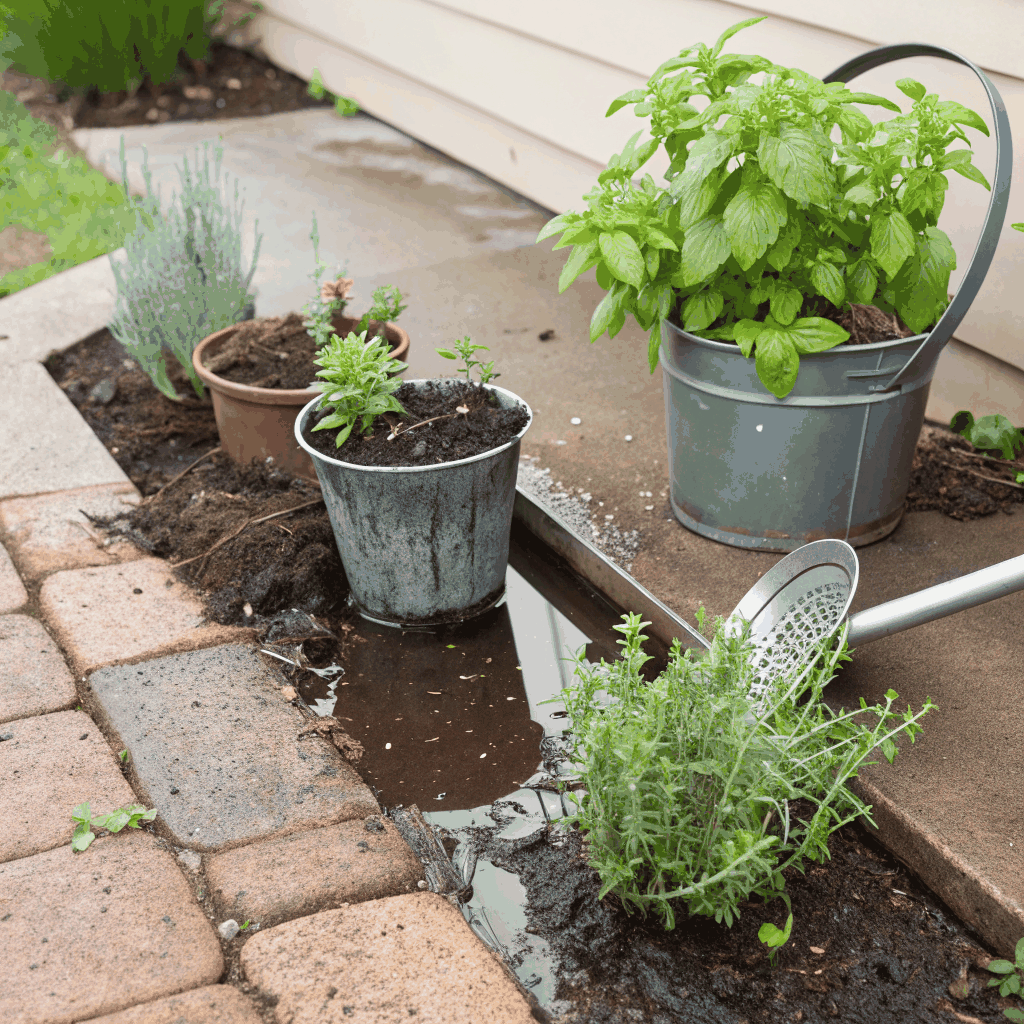
Starting an herb garden is rewarding, but beginners often stumble over a few recurring errors. Below we highlight the five most frequent mistakes and provide clear, actionable fixes.
1. Planting in the Wrong Soil
Problem: Many new gardeners use heavy garden soil that retains water, leading to root rot, especially for Mediterranean herbs like rosemary and thyme.
Solution: Create a well‑draining mix by combining two parts potting soil, one part coarse sand or perlite, and one part compost. For raised beds, add a layer of gravel at the bottom to improve drainage.
2. Overwatering or Underwatering
Problem: Herbs are sensitive to moisture extremes. Overwatering causes fungal diseases; underwatering stresses plants and reduces flavor.
Solution: Test soil moisture with your finger—soil should feel moist an inch below the surface but not soggy. Water deeply once a week in dry weather, and reduce frequency during cooler months.
3. Ignoring Sunlight Requirements
Problem: Many herbs need at least 6 hours of direct sunlight. Shade‑loving varieties (e.g., mint) are an exception.
Solution: Observe your garden’s sun patterns. Position sun‑loving herbs (basil, oregano, rosemary) in the brightest spots, and reserve partially shaded areas for mint, parsley, or cilantro.
4. Harvesting at the Wrong Time
Problem: Cutting herbs too early or too late reduces flavor and can encourage early bolting.
Solution: Harvest leaf‑type herbs just before they flower for peak essential oil content. Use the “cut‑above‑the‑node” technique to stimulate new growth. For woody herbs, prune after the first bloom.
5. Not Managing Invasive Species
Problem: Herbs like mint, oregano, and lemon balm spread aggressively, choking out neighboring plants.
Solution: Plant invasive herbs in containers or in beds with deep borders. Regularly trim runners and divide plants every spring to keep them in check.
Bonus Tip: Rotate Your Herbs
Just like vegetables, herbs benefit from rotation. Move annual herbs (basil, cilantro) to a new spot each year to prevent soil‑borne diseases and nutrient depletion.
Quick Fix Checklist
- Check soil drainage; amend with sand or gravel if water pools.
- Use a moisture meter or finger test before watering.
- Map sun exposure; relocate sun‑hungry herbs if needed.
- Harvest just before flowering; pinch regularly.
- Contain aggressive growers in pots or bordered beds.
Conclusion
By recognizing and correcting these common mistakes, new herb gardeners can build a resilient, fragrant garden that provides fresh flavors all season long. Keep this guide handy, and revisit it whenever you expand your herb collection.