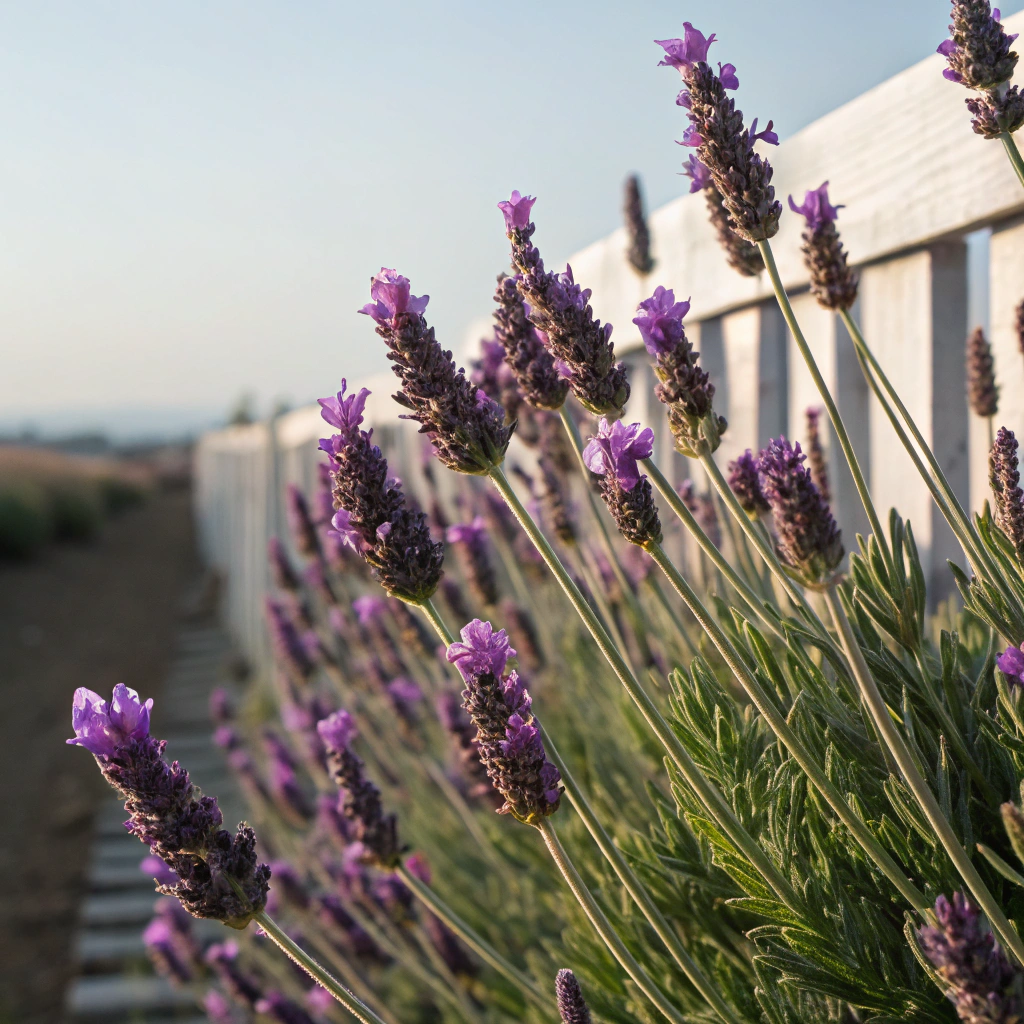
Lavender is more than a pretty flower; its soothing scent and versatile properties make it a favorite among gardeners, cooks, and wellness enthusiasts. This post covers cultivation basics, harvesting, and a range of practical uses.
Choosing the Right Lavender Variety
Three main types suit home gardeners:
- English Lavender (Lavandula angustifolia): Sweet fragrance, ideal for culinary use.
- French Lavender (Lavandula dentata): Decorative, with toothed leaves and a milder scent.
- Spanish Lavender (Lavandula stoechas): Showy “rabbit ear” bracts, great for ornamental borders.
Planting and Care
- Sunlight: Minimum 6‑8 hours of direct sun daily.
- Soil: Well‑draining, slightly alkaline (pH 6.5‑7.5). Add sand or gravel if soil is heavy.
- Spacing: Plant 2‑3 feet apart to allow air circulation.
- Watering: Water deeply at planting, then sparingly; lavender prefers dry roots.
- Pruning: After the first bloom, trim back 1/3 of the plant to encourage a second flush.
Harvesting Lavender
Harvest when buds are fully formed but before they open. Cut stems early in the morning, then bundle and hang upside down in a dark, dry area. Dry for 1‑2 weeks until buds feel papery.
Culinary Applications
- Tea: Steep 1‑2 teaspoons of dried buds in hot water for 5 minutes.
- Baked Goods: Add a pinch of ground lavender to cookies, scones, or shortbread for a floral note.
- Herb Blends: Combine with rosemary and thyme for a fragrant rub on roasted chicken.
Medicinal and Wellness Uses
Lavender’s calming properties are well documented. Here are three simple home remedies:
- Relaxing Pillow Spray: Mix 1 cup distilled water, 2 tbsp dried lavender, and a few drops of lavender essential oil. Shake and spray on pillows before bedtime.
- Soothing Bath Salts: Combine Epsom salt, dried lavender, and a few drops of essential oil for a relaxing soak.
- Minor Skin Irritations: Infuse dried buds in carrier oil (olive or almond) for 2 weeks, then apply topically to soothe insect bites.
Decorative Ideas
- Dry Flower Arrangements: Use whole stems in wreaths or vase displays.
- Potpourri: Blend dried lavender with citrus peels and rosemary for a natural room freshener.
- Garden Borders: Plant low‑lying lavender along pathways for color and fragrance.
Common Problems and Solutions
- Root Rot: Ensure soil drains well; avoid over‑watering.
- Leaf Spot: Remove affected leaves and improve air flow.
- Leggy Growth: Prune back annually and increase sunlight exposure.
Conclusion
From soothing teas to fragrant sachets, lavender offers endless possibilities. By selecting the right variety, providing proper care, and harvesting at the peak of fragrance, you can enjoy a garden that delights the senses and serves practical purposes throughout the year.