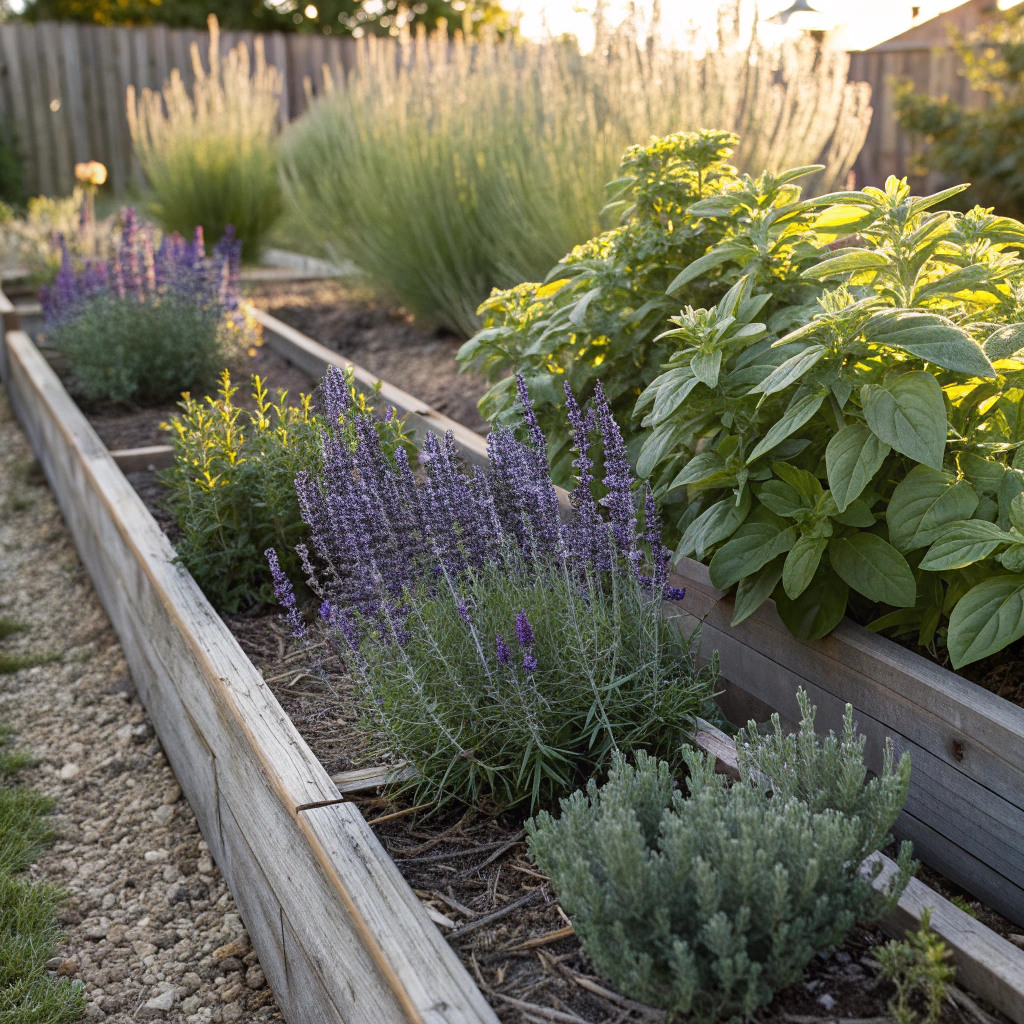
Companion planting is a time‑tested method that uses plant relationships to enhance growth, deter pests, and improve flavor. Herbs are especially valuable allies because many release aromatic compounds that confuse insects or attract beneficial predators.
How Companion Planting Works
Plants communicate through root exudates, volatile oils, and even by altering soil pH. By pairing compatible species, gardeners can create a micro‑ecosystem that reduces the need for synthetic chemicals.
Top Herb‑Vegetable Pairings
- Basil + Tomatoes: Basil repels aphids, whiteflies, and tomato hornworms while enhancing tomato flavor.
- Chamomile + Brassicas (cabbage, broccoli): Chamomile attracts beneficial insects and improves the taste of cabbage family crops.
- Mint + Cabbage: Mint’s strong scent deters cabbage moths and slugs.
- Dill + Cucumbers: Dill attracts predatory insects that eat cucumber beetles and improves cucumber vigor.
- Rosemary + Beans: Rosemary’s woody scent repels bean beetles and adds a subtle flavor to beans when interplanted.
Designing a Companion Garden
When planning your layout, keep these principles in mind:
- Spacing: Allow at least 12 inches between herbs and vegetables to prevent competition for nutrients.
- Height hierarchy: Place taller herbs (rosemary, sage) on the north side of lower‑growing vegetables to avoid shading.
- Seasonal timing: Plant fast‑growing herbs like basil early so they establish before the main vegetable crop.
- Contain invasive herbs: Mint spreads aggressively; confine it in a pot or a bordered bed.
Benefits Beyond Pest Control
Companion herbs also improve soil structure. For example, chamomile adds organic matter and attracts pollinators, while dill’s deep taproots break up compacted soil, enhancing water infiltration.
Practical Tips for Success
- Rotate crops: Move herb‑vegetable pairings each season to prevent soil‑borne diseases.
- Mulch with herb clippings: After harvesting, spread chopped herb leaves around vegetables to suppress weeds and recycle nutrients.
- Observe and adjust: Keep a garden journal noting pest activity and plant vigor; tweak pairings based on real‑world results.
Conclusion
Integrating herbs as companions is a low‑cost, eco‑friendly strategy that rewards gardeners with healthier plants and richer harvests. Start with a few easy pairings—basil with tomatoes or dill with cucumbers—and watch your garden flourish.