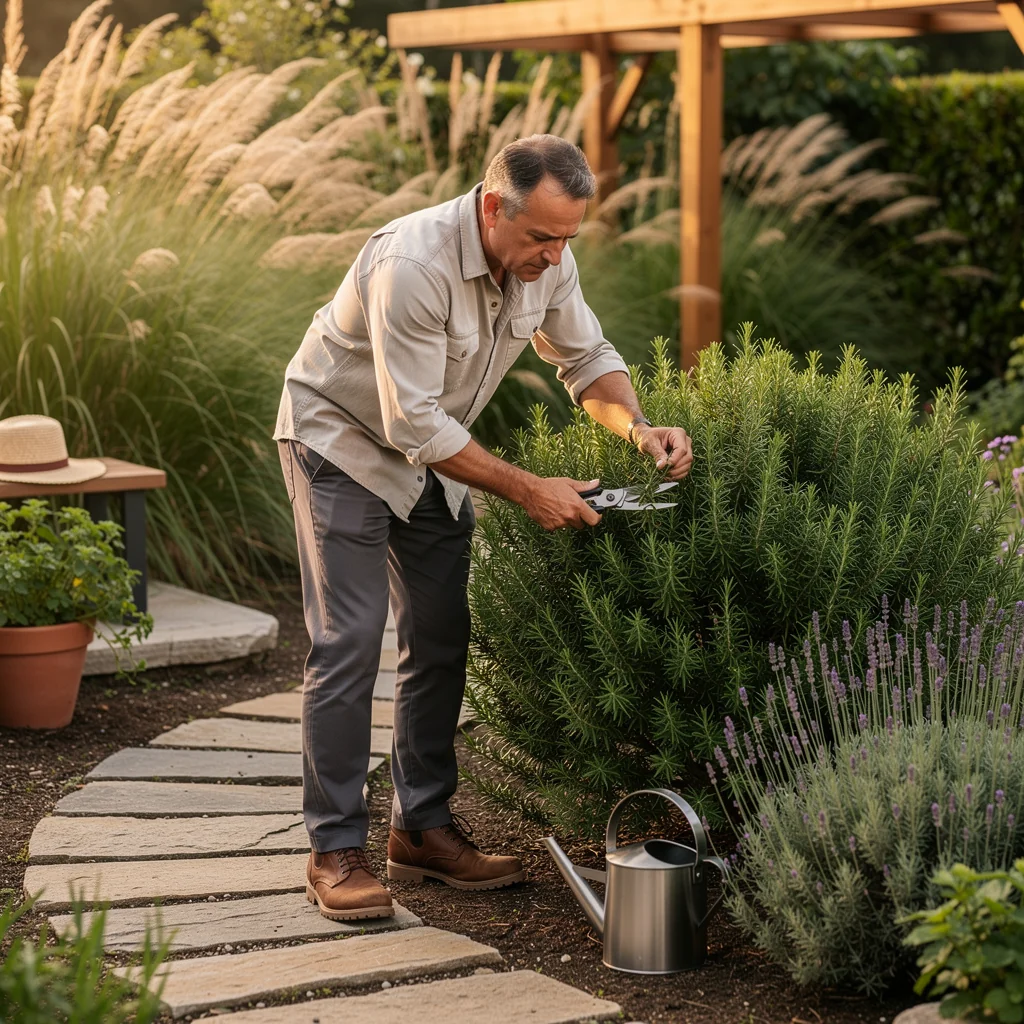
Perennial herbs such as rosemary, thyme, sage, and lavender return each spring, but they still need seasonal attention to thrive. This guide breaks down essential tasks for every month, helping you avoid common pitfalls and maximize flavor.
January – Dormant Maintenance
- Inspect plants for winter damage; prune back any dead wood.
- Apply a light layer of mulch (straw or shredded leaves) to protect roots from freeze‑thaw cycles.
- Plan next year’s garden layout; order seed or starter plants if needed.
February – Early Prep
- Start indoor seed trays for annual herbs that will accompany perennials later.
- Check soil pH; amend with lime if overly acidic for rosemary and lavender.
- Begin fertilizing with a slow‑release organic fertilizer (e.g., bone meal).
March – Break Dormancy
- Gradually remove mulch as soil warms.
- Water sparingly during warm days; avoid over‑watering frozen soils.
- Prune back overly long stems to encourage bushier growth.
April – Growth Surge
- Apply a balanced liquid fertilizer every 4 weeks.
- Mulch around the base to retain moisture and suppress weeds.
- Watch for early pests (aphids, spider mites); treat with neem oil if needed.
May – First Harvest
Harvest the first tender leaves of rosemary, thyme, and sage. Use the “cut‑above‑the‑node” method to promote new shoots.
- Continue regular watering—aim for 1 inch per week.
- Stake taller lavender plants to prevent wind damage.
June – Mid‑Season Care
- Thin out dense growth to improve air circulation.
- Apply a second round of organic fertilizer if growth slows.
- Harvest lavender buds before full bloom for optimal fragrance.
July – Heat Management
- Mulch heavily to keep roots cool.
- Water early in the morning; avoid evening watering to reduce fungal risk.
- Check for signs of sunburn on rosemary leaves; provide temporary shade if needed.
August – Late Summer Harvest
Collect larger batches of sage and thyme for drying. Preserve excess rosemary by freezing in oil.
- Remove any seed heads that appear to keep the plant vegetative.
- Inspect for root rot, especially in heavy soils; improve drainage if necessary.
September – Preparing for Fall
- Reduce fertilizer applications; switch to a high‑potash formula to strengthen roots.
- Begin light pruning of lavender to shape plants for next year.
- Harvest the final lavender blooms and dry them promptly.
October – Final Harvest and Clean‑up
- Collect the last leaves of sage and thyme before frost.
- Clear fallen leaves and debris to prevent overwintering pests.
- Apply a thick mulch layer (2‑3 inches) for winter insulation.
November – Winter Protection
- Cover tender rosemary and lavender with burlap or frost cloth during extreme cold snaps.
- Check moisture levels; water sparingly if the soil is dry.
December – Review and Reflect
- Take notes on which varieties performed best.
- Plan any garden redesigns for the upcoming year.
Quick Reference Table
| Month | Key Tasks |
|---|---|
| Jan | Prune dead wood, mulch, plan |
| Feb | Indoor seed start, soil test, fertilize |
| Mar | Remove mulch, water sparingly, prune |
| Apr | Fertilize, mulch, pest watch |
| May | First harvest, regular watering |
| Jun | Thin growth, second fertilize, harvest lavender |
| Jul | Mulch, morning water, shade if needed |
| Aug | Late harvest, prevent seed set, check rot |
| Sep | Reduce fertilizer, prune lavender, high‑potash |
| Oct | Final harvest, clean‑up, thick mulch |
| Nov | Winter cover, occasional water |
| Dec | Review performance, plan next year |
Conclusion
Following this month‑by‑month schedule ensures your perennial herbs stay vigorous, productive, and ready to delight you with fresh flavors year after year. Happy gardening!